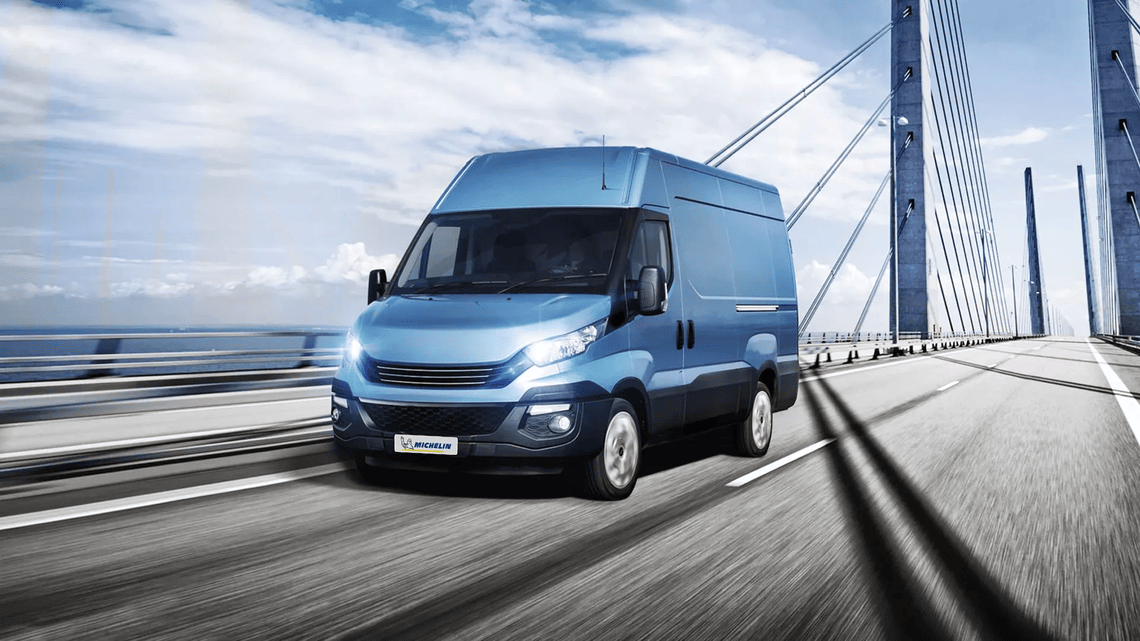
A man refueling petrol at a petrol station. Drive higher energy efficiency with quality tyres.

ckwugegp604ks01rk2xtlw6lp tyre fuel saving 1 full

How Quality Tyres Improve Fuel Economy

Published on 28 October 2025 - 5 minute(s) read

Transportation companies from small local delivery services to large-scale truck fleets often overlook an important part of their vehicle operations: tyres. Yet, choosing quality tyres is not just about safety; it's an essential strategy for enhancing fuel efficiency, managing operational costs, and ultimately improving overall profitability.

Petrol costs can make up up to 30% or more of your fleet’s total operating expenses. This means that investing in quality tyres designed for efficiency can help you cut costs quickly and support wider business goals, such as achieving sustainability targets and ensuring reliable, on-time operations. Let's explore the impact of quality tyres on your bottom line.


The Science Behind High-Quality Tyres and Fuel Economy

The connection between tyre quality and fuel efficiency is rooted in advanced engineering and material science:
 

❖ Advanced Compound Technology

Quality tyres typically incorporate silica-enhanced rubber compounds that reduce internal friction and heat generation during operation. The molecular structure of premium tyre compounds is engineered to minimise energy loss from rolling resistance while maintaining essential performance characteristics like grip and durability.
 

❖ Precision Manufacturing and Construction

Quality tyres benefit from precision manufacturing processes that ensure consistent performance. This includes meticulous control over the internal structure, such as the casing and belt layers, which directly influence the tyre's ability to maintain its shape and minimise deformation while rolling. A precisely constructed tyre flexes less, and reduces energy loss.
 

❖ Optimised Tread Design

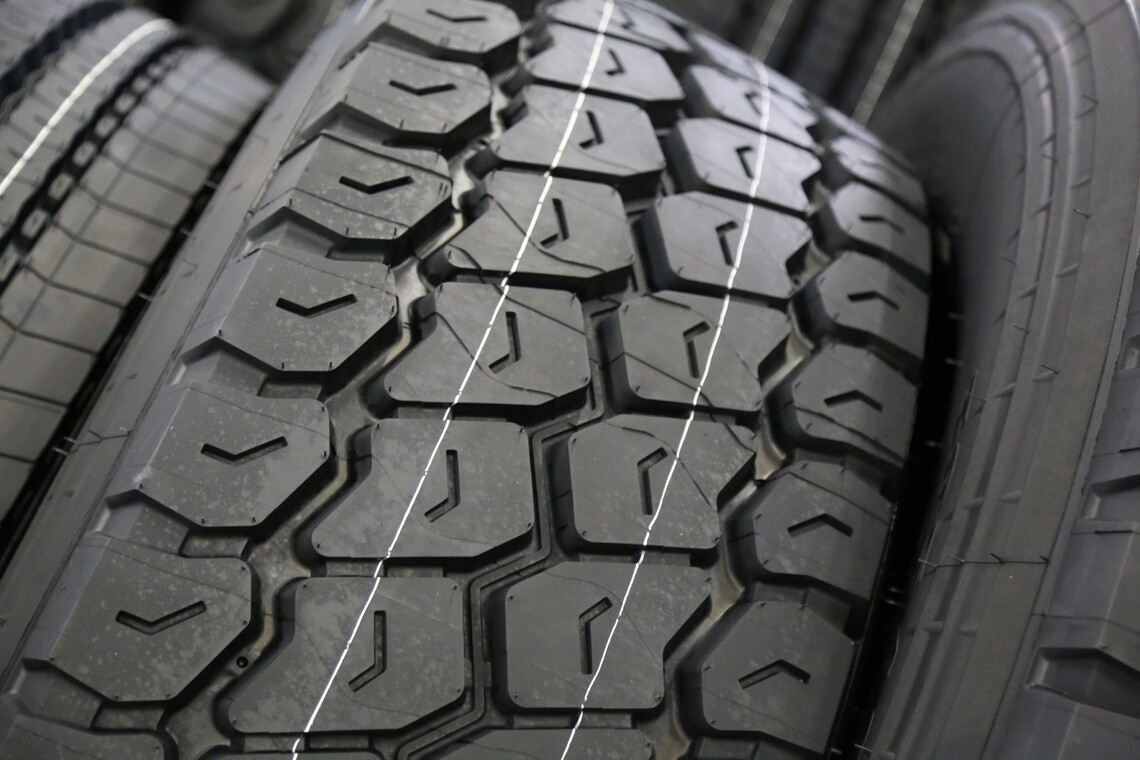
Premium tyre manufacturers employ sophisticated computer modelling and extensive testing to develop tread patterns that balance efficiency with comfort and safety.

These optimised designs reduce rolling resistance by minimising tread block movement and improving water evacuation, all while maintaining essential characteristics, including wet weather performance, noise reduction, and wear resistance.


right dealer

right dealer


What is Rolling Resistance?

Rolling resistance is a key concept in tyre efficiency. It refers to when a tyre flattens against the road surface as it rotates. This deformation causes energy loss, primarily as heat, directly impacting fuel efficiency. A 30% increase in rolling resistance, for example, can generate between 3% and 5% of fuel overconsumption.

High-quality tyres with low rolling resistance are engineered to help reduce this energy loss. They achieve this through a combination of advanced materials, improved tread designs, and innovative construction methods, all while still providing excellent grip, durability, and safety for your vehicles and cargoes.


The Benefits of Using Quality Tyres with Low Rolling Resistance

The advantages of investing in quality tyres extend far beyond just saving at the pump:
 

❖ Better Fuel Efficiency

The most direct benefit is reduced fuel consumption. Lower rolling resistance tyres require less energy to keep vehicles moving. For example, consider a bus operator with a fleet of 100 buses, each driving 100,000 km a year and consuming fuel at a rate of 1.1 litres per 10 km (11 litres per 100km). If the petrol price is $1.60 AUD per litre, their annual petrol costs would be approximately $1,760,000 AUD. If these buses improve their gas mileage by just 2% with low rolling resistance from quality tyres, they can save around $35,200 AUD a year. This results in significant savings that positively impact their bottom line.
 

❖ Enhanced Procurement and Supply Chain Management

Low rolling resistance tyres offer significant advantages in procurement and supply chain management. By selecting high-quality, durable tyres, businesses can reduce the frequency of their tyre purchases. This shift from frequent, smaller orders to fewer, larger ones simplifies the procurement process. It also strengthens relationships with suppliers, potentially unlocking better volume-based discounts and more favorable payment terms. Furthermore, a predictable replacement schedule allows for more accurate inventory forecasting. This helps businesses avoid costly overstocking or understocking, ensuring that the right tyres are available precisely when needed without tying up excess capital.
 

❖ Extended Tyre Life

Counter-intuitively, low rolling resistance tyres often last longer. They are made with special materials and designs that make them more durable and resistant to irregular wear. These features reduce energy loss and help the tyres wear more evenly, which extends their operational life. As a result, your business saves money because you spend less on petrol and don't have to replace tyres as often.
 

❖ Maintenance Cost Reduction

Lowering maintenance costs is crucial for keeping vehicles reliable and available. When tyres have lower rolling resistance, they generate less heat. This reduced heat and stress can help associated vehicle parts like brakes, bearings, and suspension components last longer. As a result, there is less strain on these systems, leading to lower maintenance costs and better vehicle reliability. For fleet operators, this means fewer unexpected breakdowns, easier maintenance scheduling, and improved customer service with more vehicles.
 

❖ Improved Vehicle Performance

Low rolling resistance tyres can improve how a vehicle performs, not just its fuel economy. The reduced drag means the engine can allocate more power to acceleration, which is particularly beneficial for delivery vehicles that make frequent stops and starts. This can lead to more efficient routes and improved operational rhythm.
 

❖ Lower Carbon Footprint

Using less fuel directly translates to lower carbon emissions. This helps your company meet increasingly stringent sustainability goals and comply with environmental regulations. As regulations tighten and customers care more about a company's environmental impact, showing real reductions in emissions can provide a significant competitive advantage and improve your brand image.

 

save fuel


How to Get Better Fuel Economy

While investing in high-quality, low rolling resistance tyres is a critical first step, how you operate and maintain your fleet can also significantly impact fuel consumption. By combining the right tyre technology with smart operational practices, you can maximise your savings on petrol and further improve your bottom line.
 

1. Keep Tyres Properly Inflated

Proper inflation is one of the most effective ways to improve efficiency. Under-inflated tyres increase rolling resistance and lead to a significant drop in fuel economy. For example, a tyre that is under-inflated by just 6 PSI can increase fuel consumption by 3%. Regularly checking and adjusting your fleet's tyre pressure ensures they perform as designed, reducing energy loss and extending tyre life.
 

2. Keep Tyres Properly Inflated

Heavy vehicles require more energy to move. Removing any unnecessary weight from your fleet, such as old equipment or unused cargo, can lead to notable fuel savings. Additionally, reducing a vehicle’s aerodynamic drag. For instance, ensuring all equipment is properly stowed and secured helps the vehicle move through the air more easily, especially at higher speeds.
 

3. Implement Smooth Driving Practices

Aggressive driving, like hard braking and rapid acceleration, is a major contributor to poor fuel economy. Training drivers to adopt smooth, consistent driving habits can make a big difference. Encouraging a steady pace, anticipating traffic flow, and using cruise control on highways helps maintain momentum and reduces the energy wasted during frequent speed changes.
 

4. Plan and Optimise Routes

Efficient route planning minimises mileage and reduces time spent in traffic. Using GPS and fleet management software can help identify the most economical routes, avoid congestion, and optimise delivery schedules. Shorter travel distances directly translate to lower fuel consumption and reduced wear and tear on vehicles.


Invest in Quality Tyres to Improve Your Fuel Economy

If you are seeking practical solutions to improve operational efficiency while supporting broader business objectives, quality tyres like Michelin X Line Energy offer proven benefits with immediate and long-term impact. As your business navigates increasingly competitive markets and complex operational challenges, quality tyre technology provides essential tools for sustainable growth and operational excellence.

When investing in new tyres, it’s vital to look beyond the initial purchase price. Consider the true value: the fuel savings, extended tyre life, reduced maintenance, and environmental benefits that quality tyres deliver. The cheapest tyre option can often turn out to be the most expensive when factoring in higher energy consumption, increased downtime, and more frequent replacements.

MICHELIN has a wide selection of quality tyres in various industries such as mining, construction, agriculture, and transportation. Browse our tyres for more information.

You are using and outdated Web Browser..

You are using a browser that is not supported by this website. This means that some functionality may not work as intended. This may result in strange behaviors when browsing round.

Use or upgrade/install one of the following browsers to take full advantage of this website

Firefox 78+
Edge 18+
Chrome 72+
Safari 12+
Opera 71+