mg 0490
The Ultimate Guide to Commercial Tyre Speed Ratings
Published on 17 April 2026 - 5 minute(s) read
Understanding the speed index isn’t just about how fast a vehicle can go; it’s about heat dissipation, load capacity, and protecting your bottom line. This guide breaks down everything you need to know about commercial tyre speed indexes with a focus on the Australian market.
What is a Commercial Tyre Speed Rating?
The speed rating (or speed index) is an alphabetical code that indicates the maximum safe speed a tyre can maintain when carrying its maximum load capacity. For commercial operators, this rating is a critical safety threshold. Exceeding it generates internal heat that can lead to catastrophic casing failure.
Michelin Commercial Tyres – Speed Index by Specialisation
Type of Operation | Michelin Range | Use of Application | Speed Index | Speed (km/h) | Recommended for |
Urban / Last-Mile / LCV | Agilis | Vans, delivery fleets | Q – S | 160 – 180 | Built for stop-start urban use with long life |
Urban / Light Truck | X Multi (urban fit) | Metro light trucks | Q – S | 160 – 180 | High mileage in dense urban cycles |
Regional / Mixed Use | X Multi Z / D | Regional freight | R – T | 170 – 190 | Balanced performance across routes |
Regional / Fuel Focus | X Multi Energy | Mixed highway | R – T | 170 – 190 | Reduced rolling resistance for savings |
Linehaul / Long Distance | X Line Energy | Highway / B-double / road train | L – M | 120 – 130 | Optimised for long-distance cost per km |
Linehaul + Traction | X Line Grip | Long haul + mixed conditions | L – M | 120 – 130 | Grip + endurance in varied climates |
Construction / On-Off Road | X Works | Tippers, construction fleets | F – J | 80 – 100 | Designed for harsh on/off-road cycles |
Severe Off-Road | X Force | Mining, extreme terrain | F – G | 80 – 90 | Maximum resistance in toughest conditions |
Key Selection Guidelines
Selecting the right tyre requires more than just looking at the price tag. Keep these expert guidelines in mind.
197091675 s
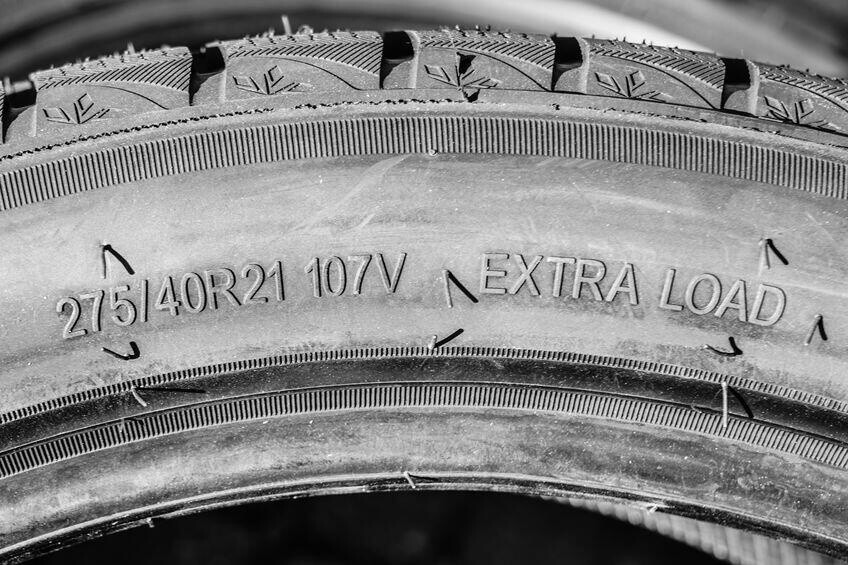
● Location of Rating You can find the speed index on the tyre sidewall immediately following the load index. An example would be 154/150 L.
● The Replacement Rule Michelin recommends that replacement tyres must have a speed rating equal to or higher than the original equipment specified by the vehicle manufacturer.
● The Unique Point Some Michelin truck tyres feature a second load or speed index in brackets. This indicates the tyre can carry a higher load at a lower speed rating. For instance, a unique point rating might allow for more weight if you drop from a speed rating of L to G.
● Dual Marking in Agriculture Ag tyres often show two ratings such as 145A8 / 139D. This means they can carry more weight at 40 km/h but safely operate at 65 km/h if the load is reduced.
● Australian Legal Compliance Most highway going commercial vehicles in Australia require at least a G or J rating to stay compliant with state transport regulations and speed limits.
● Heat Dissipation Tyres rated A1 to G are built with thicker casings. These hold more heat. This means exceeding the speed limit can cause delamination where the tyre layers peel apart.
Find your nearest Michelin dealer
Ready to elevate your business?
picture fleet 2 brochure cxs
Choosing the right tyre is an investment in your fleet’s uptime. Whether you are looking for a specific heavy-duty solution or long-haul efficiency, we are ready to help you gear up for success.
Contact us for a quotation today
Frequently Asked Questions
Exceeding the rating causes excessive heat build-up. This weakens the chemical bonds in the rubber and the structural integrity of the steel belts. At best, it leads to rapid, uneven wear; at worst, it causes a high-speed blowout.
Yes. While the lettering system is similar, commercial ratings prioritize load-carrying capacity at sustained speeds. For example, an "L" rating (120 km/h) is common for a regional truck but would be considered very low for a modern passenger sedan. Additionally, many industrial tyres use "A" codes which are rarely seen on consumer cars.
In many cases, yes. If an accident occurs and it is discovered that the fitted tyres were under-rated for the vehicle's manufacturer specifications or the speed at which it was travelling, insurers may contest the claim based on "unroadworthy" equipment.
gettyimages 930571046
car going fast on a road by night