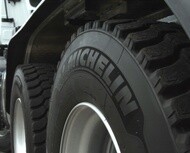
ckd76hu2800je01odahf8k1tm edito operating advice tire max 1
IRREGULAR TYRE WEAR 101
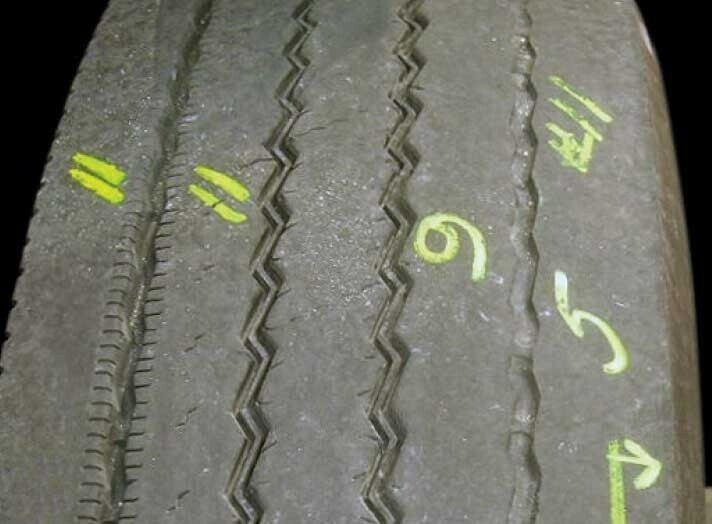
Identifying and diagnosing irregular tyre wear early is critical to keeping your prime movers and trailers on the road, minimising downtime, and maximising your cost per kilometre. Below is a breakdown of common irregular wear patterns across steer, drive, and trailer tyres, along with their probable causes and corrective actions.
IRREGULAR STEER TYRE WEAR PATTERNS
ONE-SIDED
WEAR
ckkh5vrv800uf01j2c9vdt31u one sided wear max
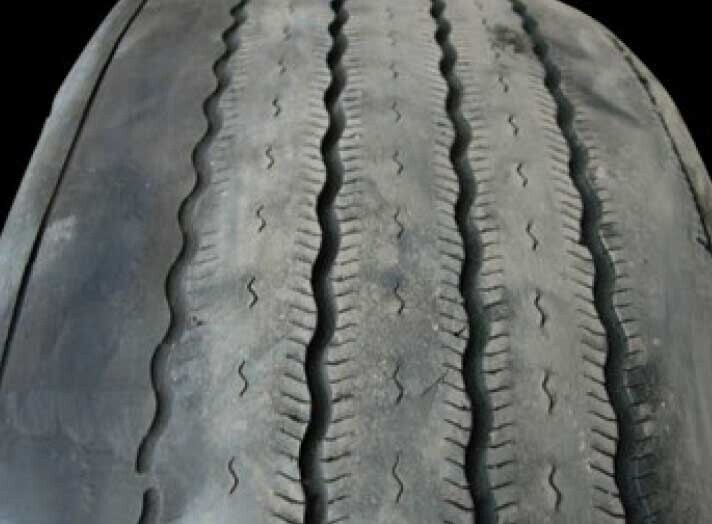
APPEARANCE
Wear increasing from one side to the other.
PROBABLE CAUSE
Out of alignment specification parameters (camber, toe, axle parallelism).
CORRECTIVE ACTION
Check alignment and inspect for worn parts.
TYRE DISPOSITION
Continue to run until minimum tread depth is reached.
SHOULDER STEP
WEAR
ckkh5xr7l00v601jv3i7swebn shoulder step wear steer max
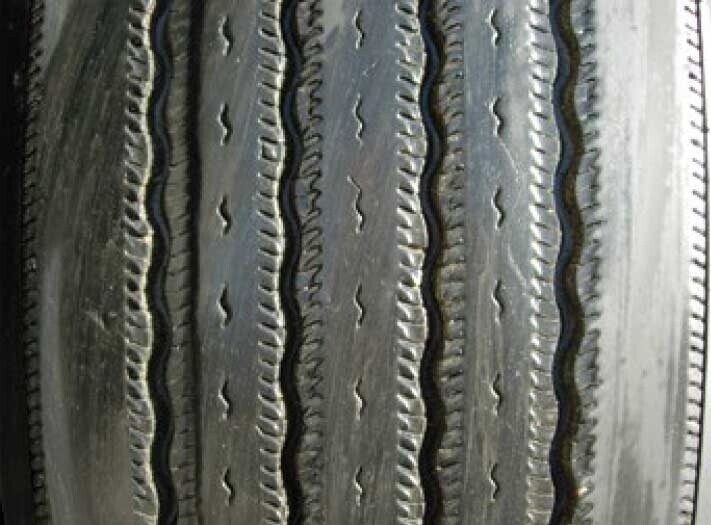
APPEARANCE
Partial or full depression of the inside/outside shoulder tread rib.
PROBABLE CAUSE
This condition is common on radial tyres in slow-wearing operations.
CORRECTIVE ACTION
None
TYRE DISPOSITION
Continue to run or rotate.
EROSION / RIVER
WEAR
ckkh5xq8g00vt01j2g22hjy9z erosion river wear full
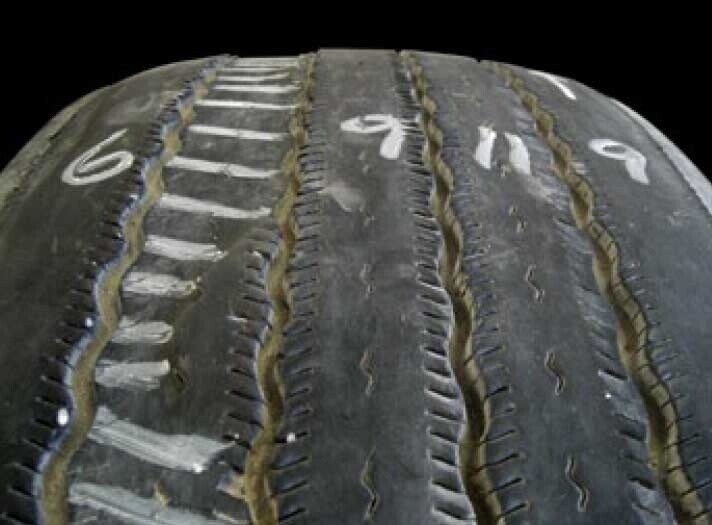
APPEARANCE
Circumferential worn area situated on the sides of the tread ribs.
PROBABLE CAUSE
Condition most commonly occurs on slow-wearing radial tyres in steer or trailer position (free rolling).
CORRECTIVE ACTION
None
TYRE DISPOSITION
Continue to run.
DEPRESSION WEAR
(INTERMEDIATE)
ckkh5xquy00w401jycg68hjk8 depression wear steer max
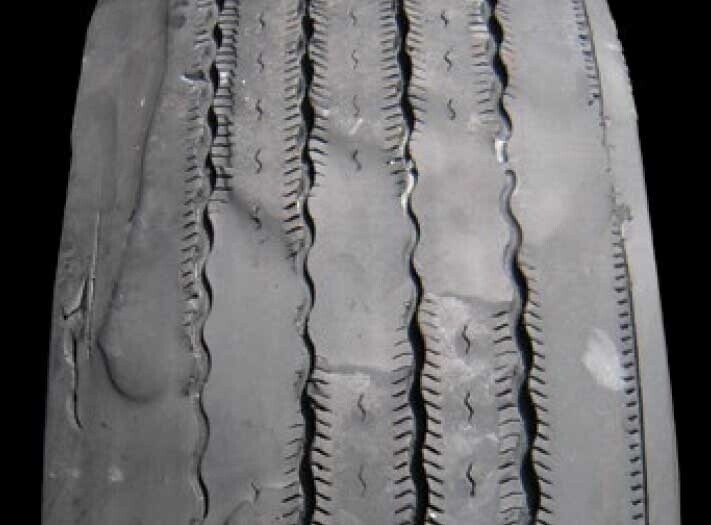
APPEARANCE
One or more interior ribs (not centre) depressed more than adjacent ribs.
PROBABLE CAUSE
Incorrect air pressure, worn mechanical part, or nonuniformity such as mismount.
CORRECTIVE ACTION
Check air pressure and mechanical issues.
TYRE DISPOSITION
Rotate or retread.
DIAGONAL
WEAR
ckkh5xrjl00w801jyz8py0llv diagonal wear steer max
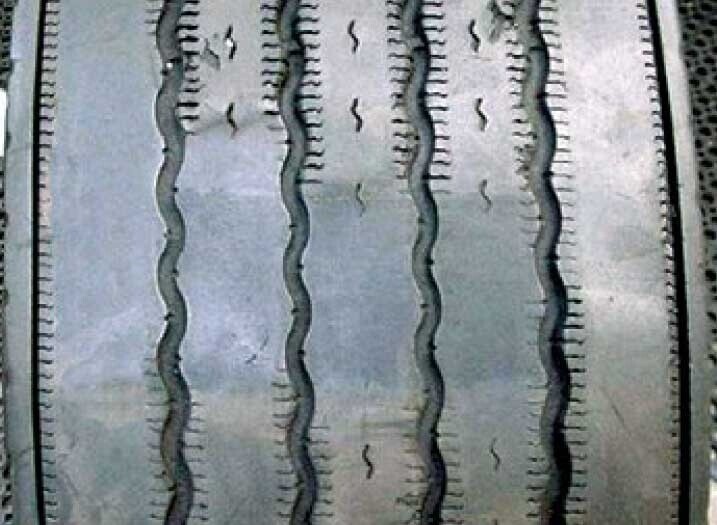
APPEARANCE
Manifests in the form of oblique wear patches. Can appear singularly or repeat around the circumference of the tyre.
PROBABLE CAUSE
Misalignment, radial and lateral runout, severely out of balance, loose wheel bearings or steering parts.
CORRECTIVE ACTION
Check for mismount and worn parts.
TYRE DISPOSITION
Reverse direction of tyre or retread.
MULTIPLE FLAT
SPOTTING WEAR
ckkh5xqb600vv01j2vkbxhod2 multiple flat spotting wear max
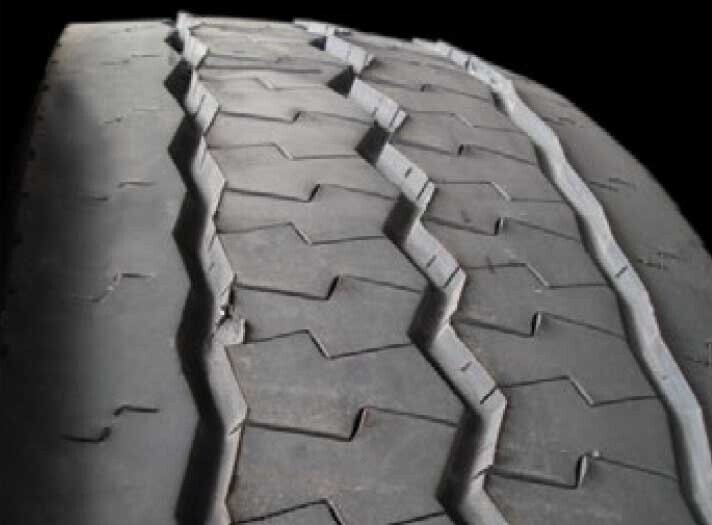
APPEARANCE
Multiple radially worn areas around the tyre.
PROBABLE CAUSE
Faulty shocks, loose/worn wheel bearings, severe balance issues, mismatched pressures or tyre diameters, excessive high-speed empty operation.
CORRECTIVE ACTION
Check for mechanical issue; check air pressure.
TYRE DISPOSITION
Continue to run or retread.
FEATHERING
(THREAD EDGE)
ckkh5xrba00w701jy25i075dk radial feather wear max
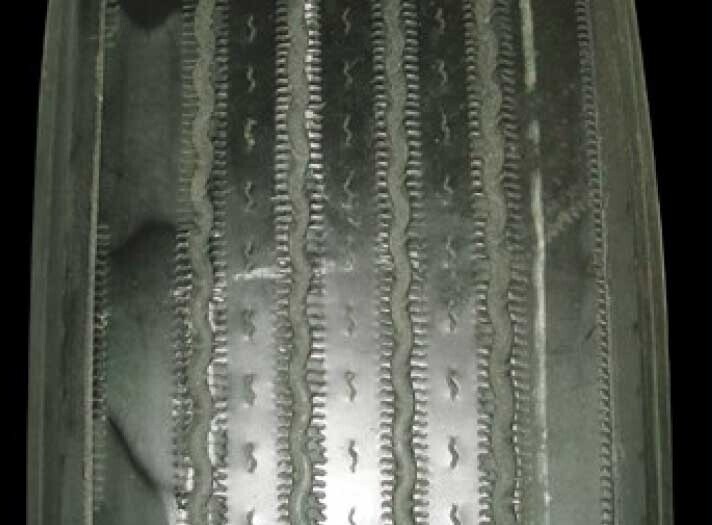
APPEARANCE
Feathering at the edge of the tread ribs.
PROBABLE CAUSE
Usually the result of continued exposure to lateral force, such as excessive toe. Can also form as a result of counter-steering to compensate for drive axle misalignment.
CORRECTIVE ACTION
Check alignment
TYRE DISPOSITION
Rotate to another position or retread.
DEPRESSION WEAR
(SHOULDER)
ckkh5xqrh00vw01j2cz0vk24u depression wear steer shoulder max
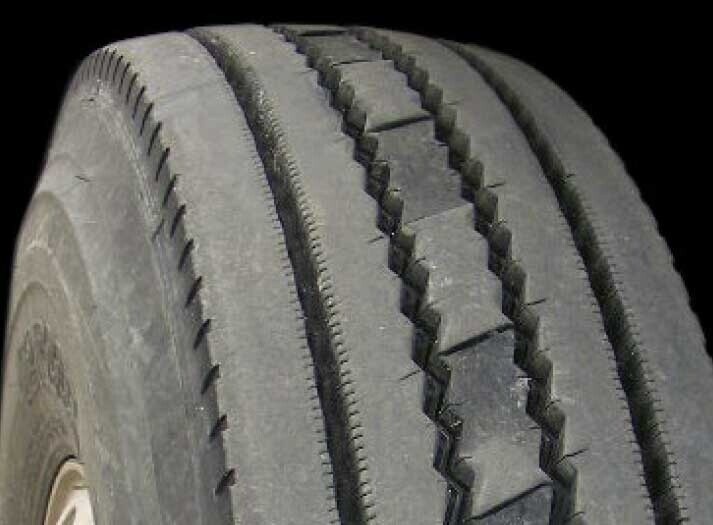
APPEARANCE
Localised wear patch on the shoulder rib of the tyre. This patch can repeat around the circumference of the tyre.
PROBABLE CAUSE
Faulty shocks, lateral runout, loose wheel bearings, mismount, severe balance issue.
CORRECTIVE ACTION
Check for mechanical problem.
TYRE DISPOSITION
Continue to run, rotate or retread.
DEPRESSION WEAR
(CENTRE)
ckkh5xqdr00v001jvjcyi76n0 depression wear steer center max
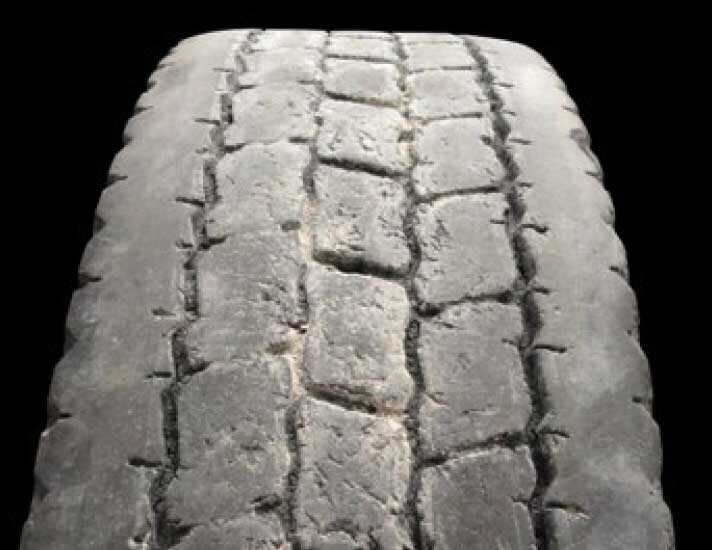
APPEARANCE
Circumferential depression wear of the centre tread rib.
PROBABLE CAUSE
Overloaded or underinflated, faulty shocks, loose wheel bearings, mismount, or high-speed empty running/ unladen conditions.
CORRECTIVE ACTION
Check air pressures or load weight and worn parts.
TYRE DISPOSITION
Continue to run, rotate or retread.
IRREGULAR DRIVE TYRE CONDITIONS
IRREGULAR DRIVE
TYRE CONDITIONS
ckkh5xqo800v401jveaiebrmg multiple cuts chunking max
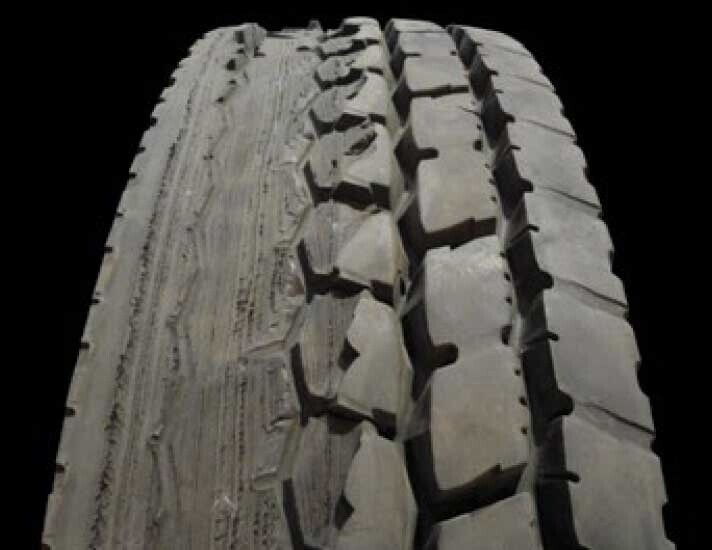
APPEARANCE
Numerous small cuts to the tread surface with portions of tread removed, giving a rough appearance.
PROBABLE CAUSE
Vehicle operation on rough surfaces (misapplication of tread compound).
CORRECTIVE ACTION
Review tyre selection and operation.
TYRE DISPOSITION
Minor damage; should return to service. Consult retreader for possible repair and retread.
VEHICLE / SPIN
DAMAGE
ckkh5xqtu00v501jvnou20qp8 vehicle spin damage full
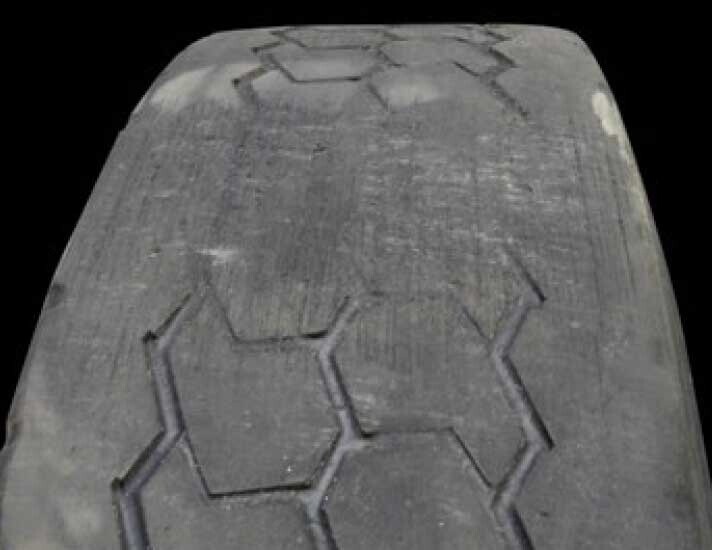
APPEARANCE
Cuts or lines 360 degrees around the tyre.
PROBABLE CAUSE
Contact with vehicle components (mudguard brackets, bumpers), or spinning the tyres on ice or loose road surface
CORRECTIVE ACTION
Analyse cause. Ensure tyre does not contact vehicle components. Review driver practices.
TYRE DISPOSITION
Return to service if damage is not below base of tread groove. If deeper, retread or scrap.
BRAKE SKID
DAMAGE
ckkh5xos400w201jy66np167g brake skid damage drive max
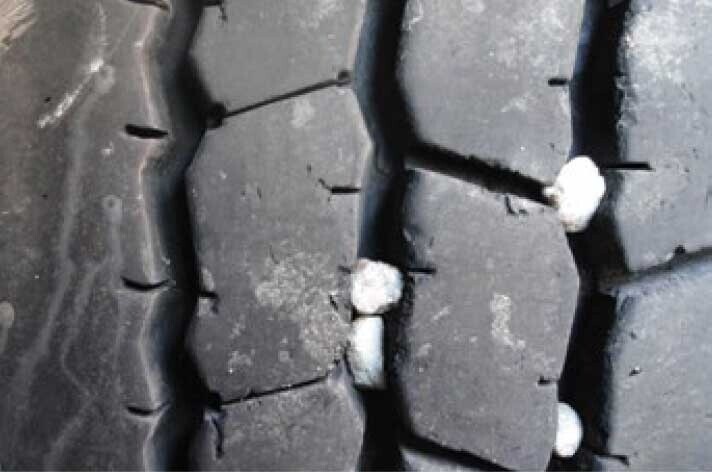
APPEARANCE
Localised spot of excessive wear across tread face showing abrasion marks. Damage may extend into casing.
PROBABLE CAUSE
New brakes (not worn in), unbalanced brake system, frozen brake lines, driver abuse.
CORRECTIVE ACTION
Check brake system.
TYRE DISPOSITION
May be repaired or retreaded if casing is undamaged; otherwise, scrap.
STONE EMBEDS /
DRILLING
ckkh5xqxz00w601jyfzaw5xcw stone retention drilling max
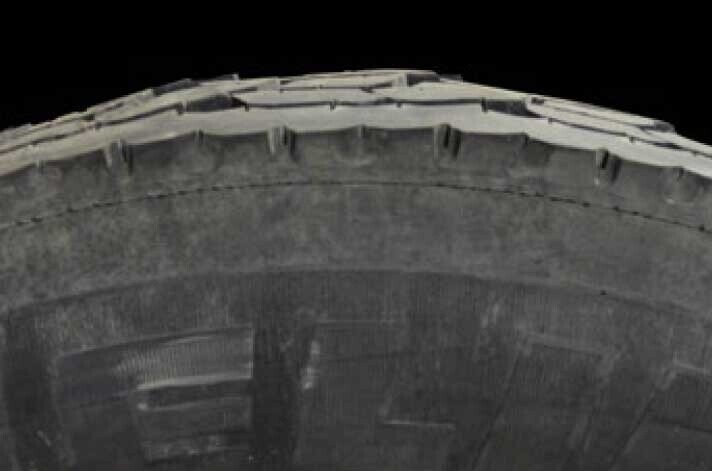
APPEARANCE
Stones or gravel embedded between tread blocks, sometimes reaching steel cables.
PROBABLE CAUSE
Condition is common with vehicles operating on gravel surfaces. Overinflation, misapplication of the tyre.
CORRECTIVE ACTION
Remove stones & return to service. Maintain proper inflation pressures.
TYRE DISPOSITION
Continue to run unless there are multiple spots reaching steel cables. Consult retreader or tyre manufacturer.
HEEL / TOE
WEAR
ckkh5xqxn00w501jyp76od6ud heel toe wear max
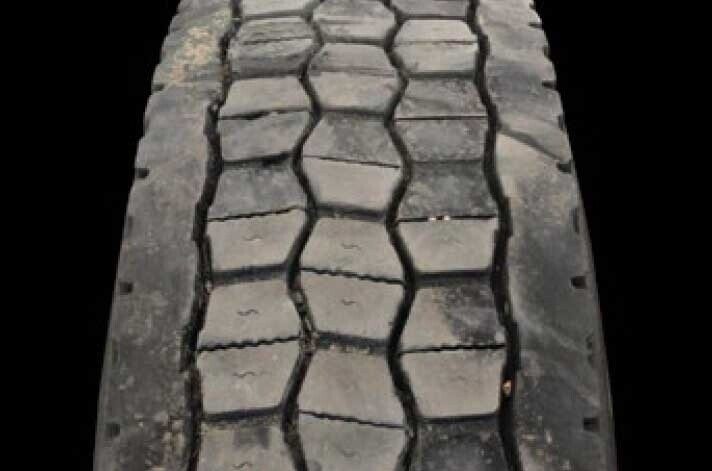
APPEARANCE
Each lug worn from high to low (front to back edge), or localised cupped-out areas of fast wear.
PROBABLE CAUSE
Mismatched inflation pressure or tyre diameters in a dual assembly. High torque conditions, mountainous terrains, and high inflation pressures aggravate this condition.
CORRECTIVE ACTION
Review tyre maintenance practices. Consult tyre manufacturer when selecting tyre for operation.
TYRE DISPOSITION
Continue to run. If severe, change direction of rotation.
ALTERNATE LUG
WEAR
ckkh5xosw00vp01j2if5s782x cupping scallop alternate lug wear max
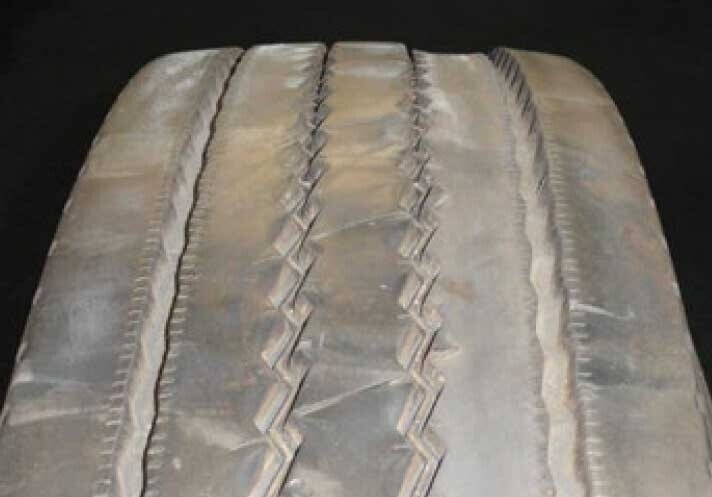
APPEARANCE
Localised cupped-out areas of fast wear around the tyre. Alternate lugs worn to different tread depths around the tyre.
PROBABLE CAUSE
Mismatched inflation pressure or tyre diameters in a dual assembly. Aggravated by slow rate of wear, poorly maintained suspension components.
CORRECTIVE ACTION
Check for mechanical problem.
TYRE DISPOSITION
Check for worn components, inflation pressures and matching tread depths.
IRREGULAR TRAILER TYRE CONDITIONS
DEPRESSION WEAR
(INTERMEDIATE)
ckkh5xpl800uz01jvg7obs8s8 depression wear intermediate max
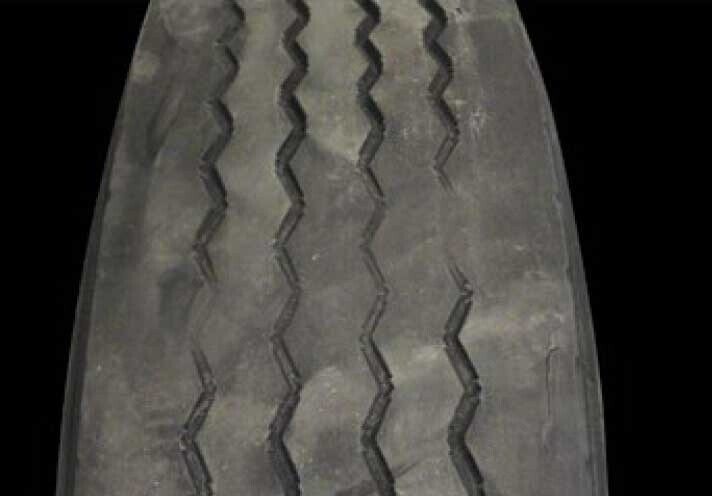
APPEARANCE
One or more interior ribs (not centre) worn below adjacent ribs around the tyre's circumference.
PROBABLE CAUSE
Worn suspension components, mismatched dual diameter or inflation pressures, underinflation, improper bearing adjustment. Aggravated by high speed/light loads.
CORRECTIVE ACTION
Diagnose mechanical condition and correct.
TYRE DISPOSITION
Continue to run until pull point, then retread.
DIAGONAL
WEAR
ckkh5xqlo00v301jvtqxzt9ao diagonal wear trailer full
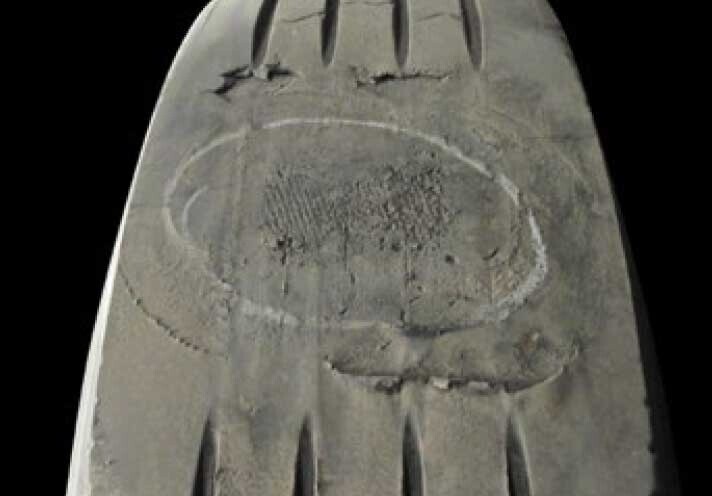
APPEARANCE
Localised flat spots worn diagonally across the tread, often repeating around the tyre.
PROBABLE CAUSE
Improper bearing adjustment, misalignment, mismatched dual tyre diameter and/or inflation pressure. May start as brake skid. Aggravated by high speed/light loads.
CORRECTIVE ACTION
Analyse cause and correct.
TYRE DISPOSITION
Reverse direction of rotation. If excessive, submit for retreading.
BRAKE SKID
DAMAGE
ckkh5xown00uy01jvpnazdowe brake skid damage trailer max
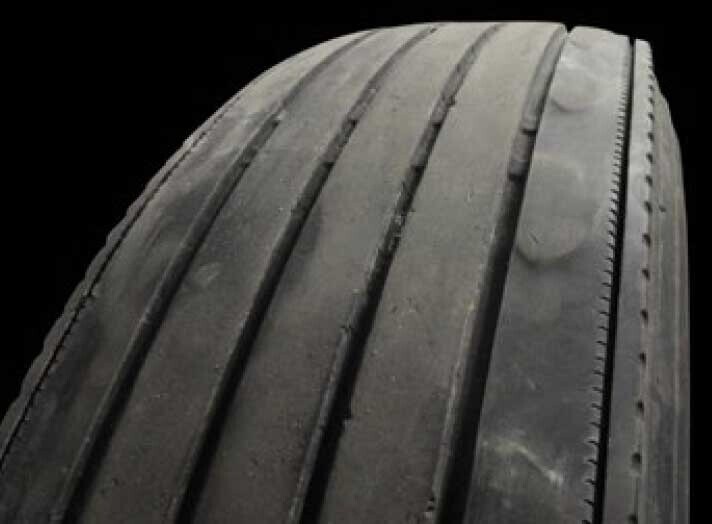
APPEARANCE
Localised spot of excessive wear across tread face showing abrasion marks. Damage may extend into casing.
PROBABLE CAUSE
New brakes (not worn in), unbalanced brake system, frozen brake lines, driver abuse.
CORRECTIVE ACTION
Check brake system.
TYRE DISPOSITION
May be repaired or retreaded if casing is undamaged; otherwise, scrap.
DEPRESSION WEAR
(SHOULDER)
ckkh5xp8m00vq01j2ty0nri6u depression wear shoulder max
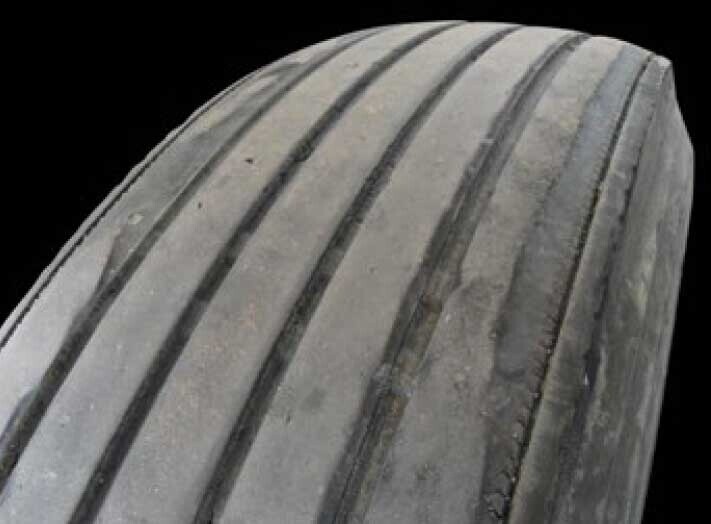
APPEARANCE
Interior ribs or localised shoulder areas (generally less than 300 mm in length) worn below adjacent ribs.
PROBABLE CAUSE
Worn suspension, mismatched dual diameters/pressures, underinflation, or incorrect wheel bearing adjustment. Aggravated by high speeds and light loads.
CORRECTIVE ACTION
Review tyre and wheel end maintenance practices.
TYRE DISPOSITION
Continue to run until pull point, then retread.
SHOULDER
STEP WEAR
ckkh5xq8t00vu01j2kd1khqp7 shoulder step wear trailer full
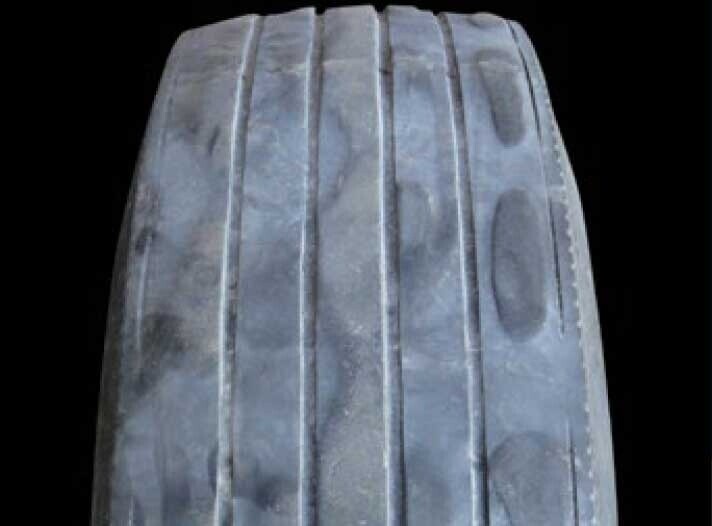
APPEARANCE
Tyre worn on the edge of one shoulder, covering more than 300 mm of the circumference.
PROBABLE CAUSE
Excessive camber, misaligned or damaged axle, improper bearing adjustment.
CORRECTIVE ACTION
Diagnose misalignment and/or mechanical condition and correct.
TYRE DISPOSITION
Reverse direction of rotation. If excessive, submit for retreading.
CUPPING /
SCALLOP WEAR
ckkh5xoxs00w301jyvi7c8cnv cupping scallop wear max
APPEARANCE
Random areas of fast wear around the tyre. Erratic in some instances.
PROBABLE CAUSE
Mismatched inflation pressure or tyre diameters in a dual assembly. Aggravated by high speeds/light loads, poorly maintained suspension components.
CORRECTIVE ACTION
Check inflation pressures and matching tread depths.
TYRE DISPOSITION
Continue to run until pull point, then retread.