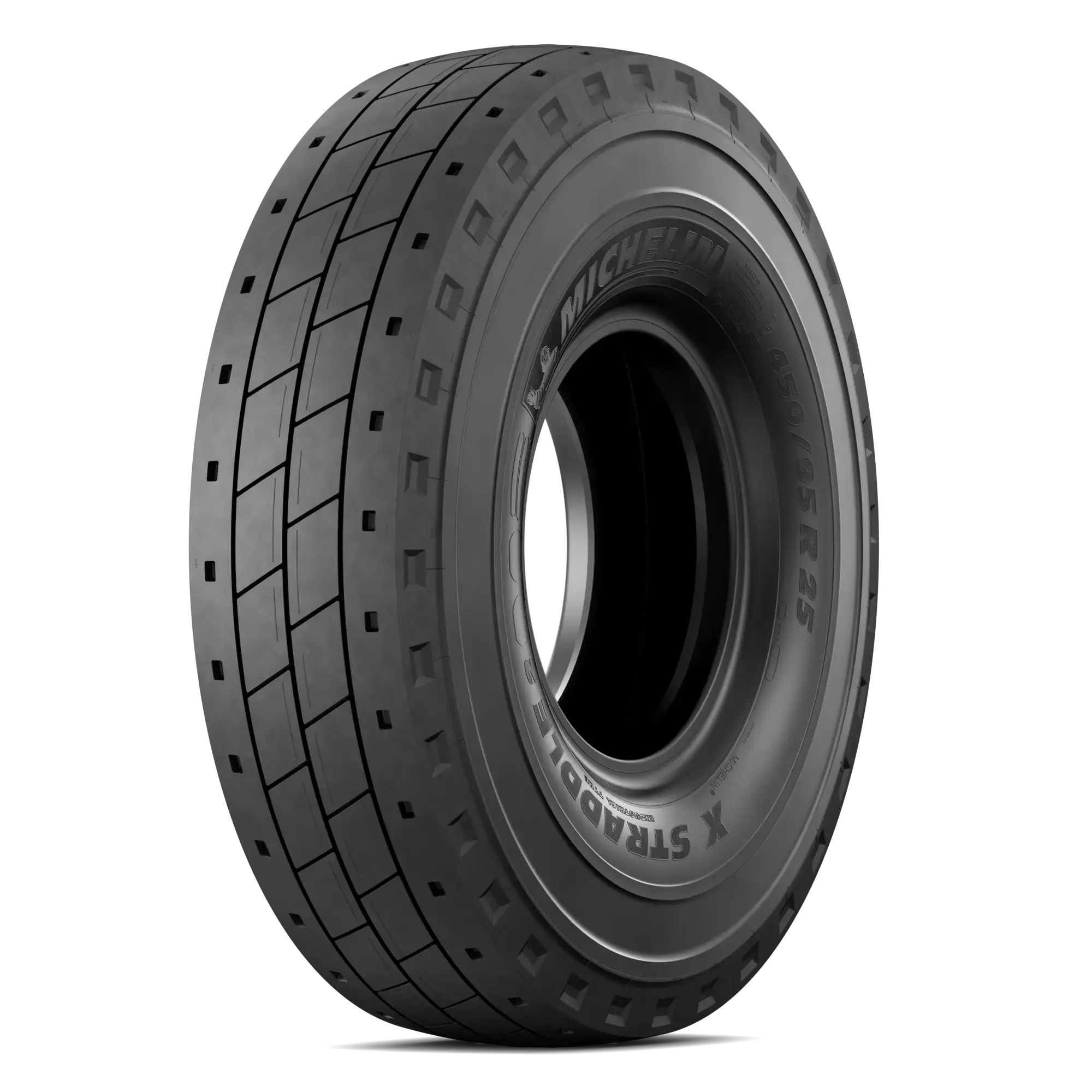
straddle carrier in port environment
container yard in shanghai with cargo loading closeup
STRADDLE CARRIER TYRES
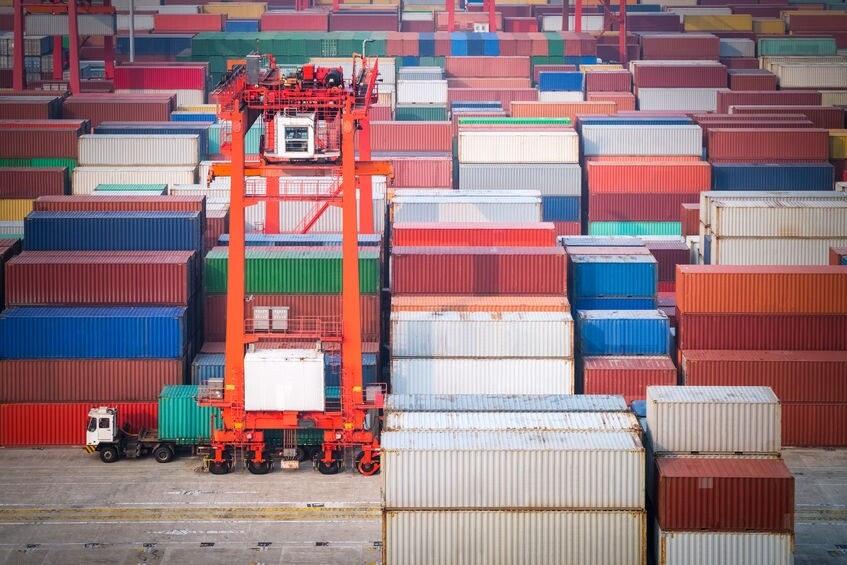
Straddle carrier in port environment
container yard in shanghai with cargo loading closeup
FIND THE RIGHT STRADDLE CARRIER TYRES FOR YOUR NEEDS
Straddle carriers are essential for the efficient handling and movement of heavy containers within port environments, more specifically in the stacking yard. These machines are designed to lift and transport containers with precision, making them essential to the overall chain. To enhance safety and operational productivity, it is important to equip these machines with tyres engineered to respond to their operational behavior. The MICHELIN X STRADDLE 2 tyre is specifically designed to provide the safety and reliability necessary for your straddle carrier applications, ensuring good performance under demanding conditions.
STRADDLE CARRIER TYRE - FREQUENTLY ASKED QUESTIONS
It really depends on a few factors, like how heavily they’re used, the loads they carry, and how well they’re maintained. As a rule of thumb, tyres should be replaced when the tread depth falls below the manufacturer's recommended level or when visible damage compromises their integrity. Regular maintenance and monitoring can help extend tire life and ensure optimal performance.
The starting point for selecting the right tyre is always the dimension approved for the vehicle by the manufacturer.
Other factors must be considered to ensure safety, performance, and cost-efficiency :
- Load Capacity: Make sure the tyres can handle the weight of both the vehicle and the loads it will carry.
- Operating Conditions: Think about the specific tasks your machines will perform and the types of surfaces they’ll encounter, as this will influence your tyre choice. Straddle carrier tyres must be robust and provide good grip.
Yes, the MICHELIN X STRADDLE 2 480/95 R 25 size is designed for twin-lift operations, which involve lifting two containers simultaneously. It ensures support handling and stability, effectively navigating the complexities of the terminal environment.
For more technical information, please refer to the Michelin Material Handling Technical Databook.